


June 12, 2020 • 3 minute read
Boston has long had issues with meeting the demand for housing options in the city. Some policymakers are counting on micro units and compact living to increase the supply, which is raising questions like what constitutes a micro unit, and are they feasible in Greater Boston?
What is a Micro Unit?
While compact living might conjure images of dark, cramped apartments, modern micro units are far from that. While there is no strict standard of what qualifies as a micro unit, the Urban Land Institute’s working definition is an apartment around 350 square feet with a fully functional bathroom and kitchen. Small units with communal bathrooms and kitchen areas are considered co-living, not a micro unit.
Micro units aren’t just tiny apartments; they’re affordable and liveable. Micro units are often built in urban areas where the cost of rent can be prohibitive. These smaller apartments are rented or sold for less than the typical rate in the area. This expands access to some of the most desirable neighborhoods where renters or buyers have been priced out.
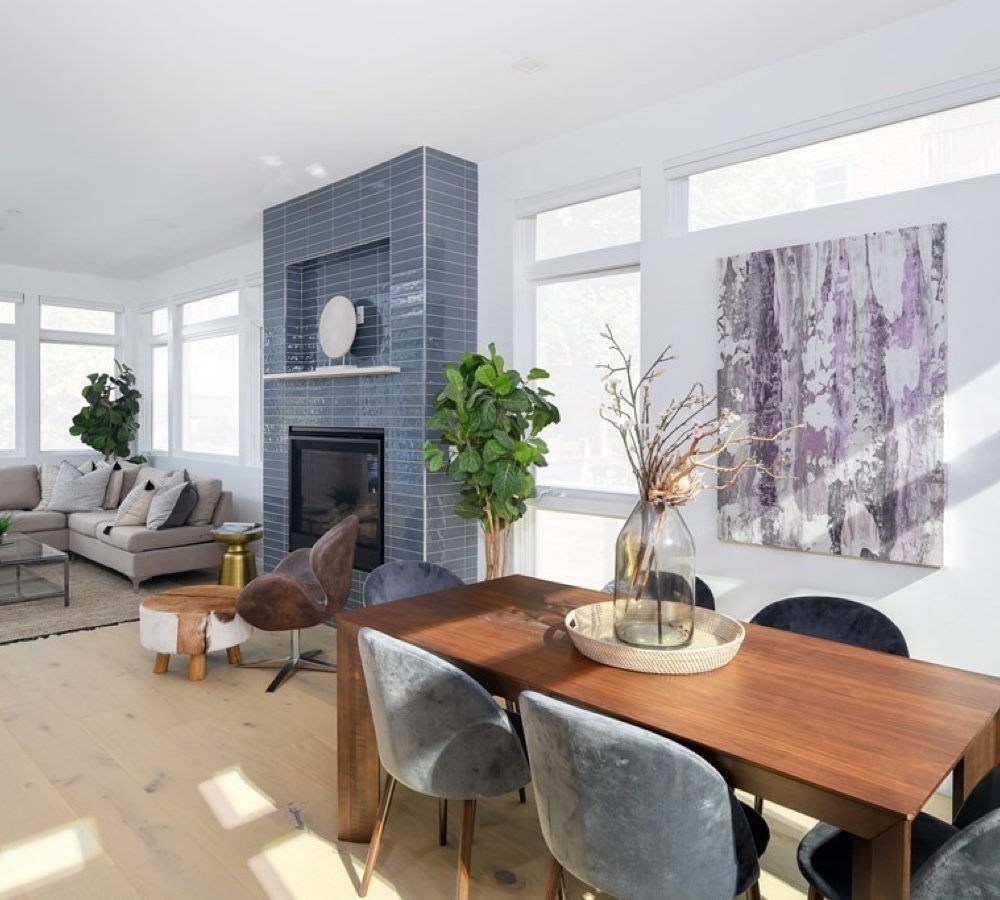
These units are carefully designed to look and feel spacious, so as to offer residents a higher quality of living. These apartments are compliant with the Fair Housing Amendment Act and often feature unique space-saving solutions like flexible furniture systems, high ceilings, and built-in storage.
Nearly one in four renters have expressed interest in a mico unit, according to the Urban Land Institute. The target market for micro units is typically single, young professionals, but empty nesters and older adults living alone have also shown interest.
Can they solve housing shortages?
For many, micro units have been hailed as the best solution for tackling housing shortages in large cities across the country. With an increased need for housing units and limited land available, building small seems like the obvious solution for maximizing options for city residents. As more people get priced out of desirable neighborhoods in urban centers, some are willing to downsize in order to gain access to locations with the amenities they’re seeking.
Developing and operating a rental apartment complex with micro units is more expensive than one with larger apartments. However, those upfront costs are made up by the higher rent prices per square foot. Additionally, micro unit occupancy rates outperform those of regular units and residents are happier with their apartment’s locations, amenities, and features.
Cities across the country are experiencing similar housing shortages and attempting to address this issue creatively. For instance, Boston has instituted a two-year Compact Living pilot program to evaluate how the policy performs in the city. The goals of the program are to increase housing affordability by significantly upping the number of available units, alleviate the market pressure on larger units, and build community on a building-wide and neighborhood-wide scale.
Currently, four in ten households in Boston consist of just one person, but only 6.1 percent of the units in the city are studios, according to Buildium. Creating smaller apartments can help ease the pressure put on housing stock by young professionals and students, who are currently taking up many of the larger triple-decker apartments that could be inhabited by families.
Cities like Boston, San Francisco, New York City, Portland, and beyond are trying to embrace this new housing format with creative solutions. The Senné team is monitoring real estate trends at a national and local level. For more information about micro units in Boston and whether one is right for you, contact us at 617.314.9400 or reach out to [email protected].
Published: June 12, 2020

Trends 2 minute read

Trends 3 minute read

Trends 3 minute read

Trends 5 minute read
Trends 3 minute read

Trends 1 minute read




Share